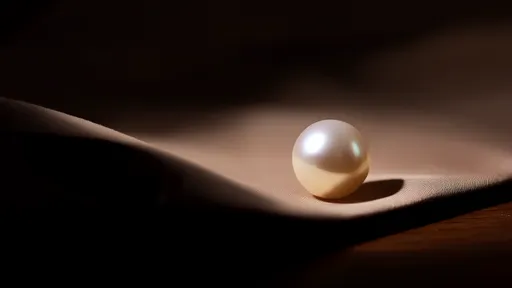
Pearls have captivated humanity for centuries with their lustrous beauty and timeless elegance. Unlike gemstones mined from the earth, pearls are organic treasures formed within living creatures, making them uniquely vulnerable to the passage of time. Understanding the science behind pearl degradation and mastering proper care techniques is essential for preserving their radiance. This knowledge not only extends the life of these exquisite gems but also honors the natural wonder they represent.
The lifespan of a pearl is influenced by both intrinsic and extrinsic factors. At its core, a pearl is composed of layers of nacre, a crystalline substance secreted by mollusks. Over decades, this organic material can naturally dehydrate, leading to a loss of luster and eventual yellowing. Environmental elements such as exposure to light, humidity fluctuations, and airborne pollutants accelerate this process. Even the natural oils and acids from human skin, while initially enhancing shine, can contribute to long-term deterioration if not managed properly.
One of the most common issues pearl owners encounter is the gradual yellowing of their pearls. This phenomenon occurs as the organic compounds in the nacre undergo oxidation, similar to how silver tarnishes. The proteins and other organic materials within the pearl react with oxygen over time, causing a visible change in color. This process is particularly accelerated when pearls are stored in dry conditions or exposed to excessive heat, which accelerates the breakdown of these delicate structures.
Another challenge is the loss of the characteristic orient—the iridescent play of light across the pearl's surface. This optical phenomenon results from the interference of light reflecting between the microscopic layers of aragonite crystals in the nacre. When these layers become damaged or dehydrated, they lose their ability to refract light properly, resulting in a dull, chalky appearance. Proper hydration and protection from abrasive materials are crucial for maintaining this delicate optical structure.
The enemies of pearl preservation are more numerous than one might suspect. Perfumes, hairsprays, and other cosmetics contain alcohols and chemicals that can etch into the pearl's surface, permanently damaging the nacre. Even seemingly harmless substances like chlorine from swimming pools or salt from ocean water can cause irreversible damage. The acidity of human sweat varies by individual, but all perspiration contains salts and acids that can gradually degrade the pearl's surface if not cleaned promptly.
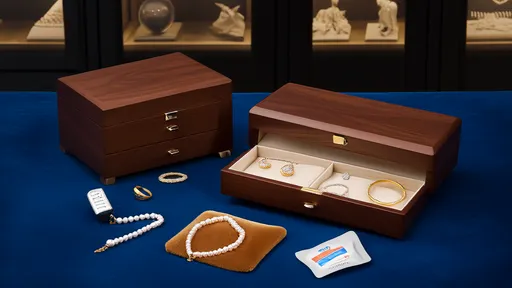
Perhaps the most overlooked aspect of pearl care involves proper storage techniques. Many jewelers recommend storing pearls separately from other jewelry to prevent scratching. The ideal environment maintains stable humidity levels—too dry, and the pearls may crack; too humid, and they might develop mold. Silk or soft cotton pouches allow the pearls to breathe while protecting them from dust and light exposure. Avoid airtight containers, as pearls need minimal moisture exchange to maintain their structural integrity.
Cleaning pearls requires a gentle approach drastically different from other gems. After wearing, simply wiping them with a soft, damp cloth removes accumulated oils and perspiration. For deeper cleaning, use mild soapy water—never commercial jewelry cleaners, which often contain ammonia or other harsh chemicals. The pearls should never be soaked, as water can seep into drill holes and weaken the silk thread. Always allow pearls to air dry completely before storing them, as moisture trapped between strands can lead to silk deterioration.
The frequency of wear surprisingly impacts pearl longevity. Regular wearing allows the pearls to absorb minimal moisture from the air and your skin, preventing dehydration. However, this must be balanced with proper cleaning after each use. Professional restringing is recommended annually if worn frequently, as the silk thread stretches and weakens over time. A broken strand not only risks losing pearls but can cause individual pearls to knock against each other, creating chips and cracks in the nacre.
Modern science has developed advanced preservation methods that were unavailable to previous generations. Museum-quality conservation techniques include controlled environment cases that maintain optimal temperature and humidity levels. Some conservators use specialized waxes or polymers to create protective microscopic barriers without altering the pearl's appearance. While these methods may be excessive for everyday wear, understanding the principles behind them informs better home care practices.
Beyond physical care, understanding pearl types helps tailor preservation approaches. Akoya pearls, known for their brilliant luster, have thinner nacre than South Sea or Tahitian pearls and therefore require more meticulous care. Freshwater pearls, while generally more durable due to their solid nacre composition, still suffer from the same chemical vulnerabilities. Natural pearls, increasingly rare, demand expert conservation as they often have historical significance beyond their material value.
The emotional connection people develop with pearls often makes proper care deeply personal. Heirloom pieces passed through generations carry stories and memories within their luminous surfaces. This emotional value makes scientific preservation not just a matter of maintenance but of legacy. Documenting care routines alongside the pearls themselves creates a valuable record for future generations, ensuring that both the physical gem and its history endure.
Technology continues to advance pearl conservation science. Researchers are developing non-invasive imaging techniques to assess nacre health without handling. New coating technologies promise to create breathable protective layers that don't alter visual properties. Even the traditional restringing process has evolved with synthetic threads that offer greater durability while maintaining the necessary flexibility. These innovations make professional pearl care more accessible and effective than ever before.
Ultimately, pearl preservation balances art and science. It requires understanding chemical processes while appreciating aesthetic qualities. The goal isn't to stop time completely—the gentle patina that develops over years can add character—but to prevent premature degradation. With knowledge and consistent care, pearls can maintain their magical quality for lifetimes, continuing to capture light and imagination as they have for centuries. Their endurance becomes a testament to both nature's creativity and human stewardship.

By /Aug 27, 2025
By /Aug 27, 2025

By /Aug 27, 2025

By /Aug 27, 2025
By /Aug 27, 2025
By /Aug 27, 2025
By /Aug 27, 2025
By /Aug 27, 2025
By /Aug 27, 2025
By /Aug 27, 2025
By /Aug 27, 2025
By /Aug 27, 2025
By /Aug 27, 2025
By /Aug 27, 2025

By /Aug 27, 2025
By /Aug 27, 2025
By /Aug 27, 2025

By /Aug 27, 2025
By /Aug 27, 2025
By /Aug 27, 2025