3D Printing Direct Metal Casting: How to Disrupt Traditional Lost Wax Casting?

Aug 27, 2025 By

The manufacturing world stands on the brink of a profound transformation, one where the age-old art of lost-wax casting meets the futuristic capabilities of 3D printing. For millennia, the creation of complex metal parts has been dominated by traditional foundry methods, a craft honed over centuries yet constrained by its inherent limitations. Now, a new paradigm is emerging: Direct Metal Casting via 3D printing. This isn't merely an incremental improvement; it is a fundamental reimagining of the entire casting workflow, promising to disrupt an industry steeped in tradition.

Traditional lost-wax casting, also known as investment casting, is a process of remarkable intricacy and patience. It begins with the meticulous creation of a master pattern, often from wax or a similar material. This pattern is then used to create a ceramic mold, a fragile shell built through repeated dipping in slurry and stucco. The wax is subsequently melted out in a kiln—the "lost wax" step—leaving behind a hollow cavity into which molten metal is poured. Once the metal cools and solidifies, the ceramic shell is broken away to reveal the final metal part. This process, while capable of producing parts with excellent surface finish and dimensional accuracy, is notoriously labor-intensive, time-consuming, and fraught with potential for error at every stage.

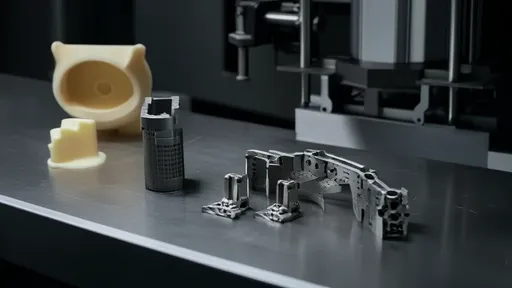
The core disruption introduced by 3D printing, or additive manufacturing, lies in its approach to pattern creation. Instead of handcrafting a physical wax pattern, designers now use sophisticated CAD software to create a digital model. This digital file is then sent directly to a 3D printer, which builds the pattern layer by layer. The most common technology for this application is Material Jetting, using advanced photopolymer resins that mimic the properties of wax. These resins are engineered to burn out cleanly and completely, leaving no ash residue that could compromise the final metal part. This digital-to-physical leap eliminates the need for hard tooling, such as metal dies or molds, which are expensive and time-consuming to produce for the initial pattern.

The advantages of this shift are immediate and multifaceted. The most significant is the drastic compression of lead times. What once took weeks or even months—designing and machining tooling, producing the first pattern, and developing the mold—can now be accomplished in a matter of days. A digital design can be printed overnight, and the ceramic shell-building process can commence almost immediately. This acceleration is a game-changer for industries like aerospace and automotive, where rapid prototyping and faster time-to-market are critical competitive advantages. Designers and engineers can iterate on designs with unprecedented speed, testing form, fit, and function without the punishing cost and delay of traditional tooling changes.

Furthermore, 3D printing shatters the geometric constraints that have long limited designers. Traditional pattern-making, whether by hand or with CNC machining, struggles with internal channels, complex undercuts, organic lattice structures, and parts consolidated from multiple components into a single piece. Additive manufacturing thrives on this complexity. It can produce patterns with geometries that are simply impossible to achieve through any other means. This allows for the creation of lighter, stronger, and more efficient parts. For instance, a turbine blade with intricate internal cooling channels or a medical implant with a porous surface structure for better osseointegration can be directly printed as a pattern and then cast, merging the design freedom of additive manufacturing with the material integrity and scalability of metal casting.

Beyond speed and complexity, the economic model is also transformed. While the upfront cost of industrial-grade 3D printers is substantial, the economics become compelling, especially for low-volume production, high-value parts, and custom one-off pieces. The elimination of expensive tooling means the cost of producing a single part is not drastically different from the cost of producing ten or a hundred. This makes direct metal casting via 3D printing ideal for bespoke applications, such as custom jewelry, specialty medical devices, and legacy part replacement in sectors like defense and energy, where a single, complex component might be needed without the budget or time for traditional tooling.

However, this technological revolution is not without its own set of challenges and considerations. The materials science behind the castable photopolymer resins is highly specialized. These materials must possess a precise combination of properties: they need to be strong enough to handle during the shell-building process, yet brittle enough to burn out completely without expanding and cracking the ceramic mold. Post-processing remains a crucial, and still largely manual, part of the workflow. The support structures used during printing must be carefully removed, and the finishing of the final metal part—grinding, polishing, and heat treatment—still requires skilled labor. Moreover, the industry is still developing standardized best practices and quality assurance protocols for these new digital workflows, which is essential for its adoption in highly regulated industries like aerospace and medical.

Looking toward the horizon, the convergence of these technologies points to an even more integrated future. The next logical step is the direct 3D printing of the ceramic molds themselves, bypassing the pattern stage altogether. Research and development in this area are already underway, with systems capable of printing intricate ceramic cores and molds directly from a digital file. This would represent the ultimate synthesis, a pure digital thread from CAD model to finished cast metal part. Furthermore, the line between casting and direct metal 3D printing (e.g., DMLS, SLM) will continue to blur. Hybrid approaches may emerge, where a near-net-shape part is printed and then finished with a precision casting process to achieve optimal material properties and surface finish.

In conclusion, 3D printing is not rendering traditional lost-wax casting obsolete; rather, it is elevating it. It is augmenting a ancient craft with digital precision, unprecedented speed, and boundless geometric freedom. This synergy is creating a new manufacturing powerhouse, one that combines the best of both worlds: the structural integrity and material versatility of metal casting with the agility, complexity, and digital efficiency of additive manufacturing. The foundries that embrace this disruption, integrating these digital tools into their centuries-old practices, will be the ones leading the manufacturing charge into the next industrial age. The wax may be lost, but the future is found.
Recommend Posts
Jewelry

The Next Step in AR Try-On Technology: Authentic Reproduction from Shape to Shine

By /Aug 27, 2025

The shimmer of light catching a perfectly cut diamond. The subtle texture of brushed gold against skin. The way a pair of glasses sits just so on the bridge of a nose. For years, Augmented Reality (AR) try-on technology has promised to bring these tactile, intimate experiences of shopping for wearables into the digital realm. While early iterations successfully conquered the foundational challenge of shape and fit—allowing users to see if a watch was too large or glasses too wide—they often fell into what developers call the "uncanny valley" of retail. The object was there, but it felt flat, lifeless, and patently digital, lacking the crucial elements that drive emotional connection and, ultimately, purchase decisions: realistic material properties and dynamic light interaction. The next great leap in AR try-on is not about placing an object in space, but about breathing life into it, moving from a convincing shape to a believable, lustrous presence.
Jewelry

Bio-jewelry: Memorial Diamonds Made from Ashes and Hair

By /Aug 27, 2025

In an age where technology and sentiment increasingly intersect, a remarkable innovation has emerged from the confluence of science and personal legacy: bio-jewelry. This concept, which transforms the physical remains of loved ones—such as cremation ashes or locks of hair—into enduring diamonds, represents not just a technological marvel but a profound reimagining of memorialization. These lab-created gems, identical in chemical composition and physical properties to mined diamonds, offer a timeless, wearable tribute that transcends traditional forms of remembrance like urns or grave markers. The process, though complex, has been refined to allow individuals to carry a piece of their departed close, literally and symbolically, turning grief into something beautiful and permanent.
Jewelry

Wearable Technology Meets Jewelry: Striking the Balance Between Smart Features and Elegant Design

By /Aug 27, 2025

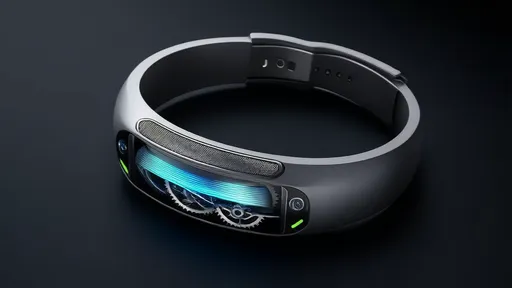
In the bustling intersection of fashion and technology, a new category of accessories is emerging, one that promises not just to adorn but to augment. The fusion of wearables with fine jewelry represents a fascinating evolution, moving beyond the clunky, utilitarian designs of early fitness trackers into a realm where technology becomes seamlessly integrated into personal style. This isn't merely about adding a step counter to a bracelet; it's about reimagining how we interact with technology on our bodies, making it as aesthetically pleasing as it is functionally powerful. The central challenge, and indeed the most exciting frontier, lies in striking the perfect equilibrium between intelligent functionality and elegant design.
Jewelry

The Value and Design of Virtual Jewelry in the Metaverse"

By /Aug 27, 2025

In the sprawling digital landscapes of the metaverse, a new form of luxury is rapidly taking root and flourishing: virtual jewelry. These are not mere pixelated trinkets or low-resolution accessories; they are intricate, meticulously designed digital assets that carry significant cultural, social, and increasingly, financial weight. As our lives become more intertwined with virtual spaces—for work, socializing, commerce, and entertainment—the desire to express identity and status within these realms has ignited a booming market for digital adornment. This is not a fleeting trend but a fundamental shift in how we perceive and assign value to objects that exist purely in the computational ether.
Jewelry

3D Printing Direct Metal Casting: How to Disrupt Traditional Lost Wax Casting?

By /Aug 27, 2025

The manufacturing world stands on the brink of a profound transformation, one where the age-old art of lost-wax casting meets the futuristic capabilities of 3D printing. For millennia, the creation of complex metal parts has been dominated by traditional foundry methods, a craft honed over centuries yet constrained by its inherent limitations. Now, a new paradigm is emerging: Direct Metal Casting via 3D printing. This isn't merely an incremental improvement; it is a fundamental reimagining of the entire casting workflow, promising to disrupt an industry steeped in tradition.
Jewelry

A Guide to Long-Term Jewelry Storage: Environmental Control and Proper Storage Methods

By /Aug 27, 2025

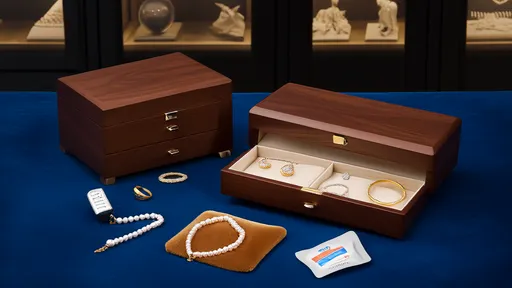
When it comes to preserving the beauty and value of fine jewelry, proper long-term storage is not merely an option—it is an absolute necessity. Many collectors and enthusiasts invest significant resources in acquiring beautiful pieces, yet often overlook the critical importance of how and where these treasures are stored when not adorning the wearer. The consequences of improper storage can be devastating, leading to tarnished metals, scratched gemstones, loosened settings, and a heartbreaking diminishment of both aesthetic appeal and monetary worth. This guide delves deep into the art and science of jewelry preservation, offering a comprehensive roadmap to ensure your precious pieces remain as brilliant and valuable for future generations as they are today.
Jewelry

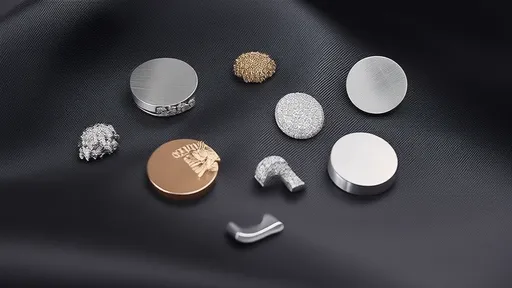
Coping with Jewelry Allergies: A Comprehensive List of Hypoallergenic Metal Materials

By /Aug 27, 2025

For individuals with sensitive skin or metal allergies, finding jewelry that doesn't cause irritation can be a challenging endeavor. The quest for hypoallergenic metals is not merely about aesthetics but about comfort and health. When certain metals come into contact with skin, they can trigger allergic reactions ranging from mild redness and itching to severe dermatitis. This has led to a growing demand for jewelry made from materials that minimize these risks, offering both beauty and safety.
Jewelry

In-Depth Interpretation of Gemstone Appraisal Certificates: What Can Be Revealed Beyond Authenticity?

By /Aug 27, 2025

When most people receive a gemstone certificate, their eyes dart straight to the verdict on authenticity. A sigh of relief follows the confirmation that their ruby is real or their diamond is genuine. However, to view a gemological report merely as a authenticity slip is to read only the title of a profound novel. These documents, issued by esteemed laboratories like the GIA, GRS, or AGL, are dense narratives, chronicling a stone's entire life story from its tumultuous formation deep within the Earth to its final, polished form in a jeweler's case. They are technical biographies, and learning to read between their meticulously formatted lines unveils a world of insight far beyond a simple true/false designation.
Jewelry

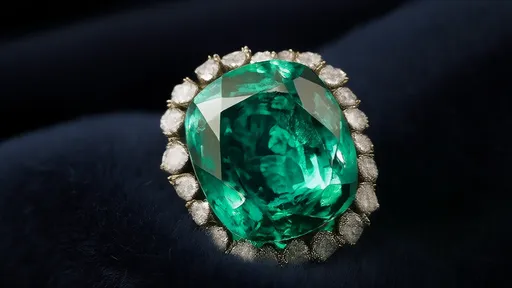
The Oil" of Emeralds: The Past, Present, and Taboos of Enhancement Treatments

By /Aug 27, 2025

In the world of gemstones, few topics stir as much intrigue and debate as the treatment of emeralds with oils and resins. For centuries, this practice has been both a closely guarded secret and an open acknowledgment within the gem trade, shaping the very essence of how we perceive, value, and care for these captivating green treasures. The journey of emerald enhancement is a tale woven with history, science, commerce, and artistry, reflecting humanity's enduring quest to perfect nature's imperfections while honoring its raw beauty.
Jewelry

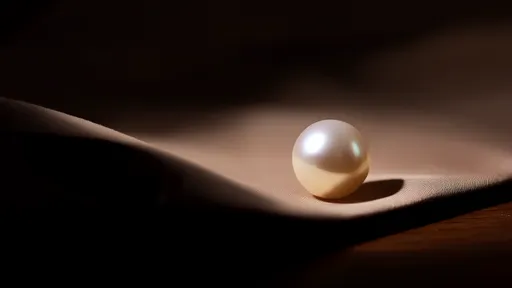
Pearl's 'Lifespan' and Maintenance: Scientific Methods to Prevent Yellowing and Loss of Luster"

By /Aug 27, 2025

Pearls have captivated humanity for centuries with their lustrous beauty and timeless elegance. Unlike gemstones mined from the earth, pearls are organic treasures formed within living creatures, making them uniquely vulnerable to the passage of time. Understanding the science behind pearl degradation and mastering proper care techniques is essential for preserving their radiance. This knowledge not only extends the life of these exquisite gems but also honors the natural wonder they represent.
Jewelry

Daily Maintenance and Usage Taboos of Micro-set Jewelry

By /Aug 27, 2025

In the realm of fine jewelry, micro-set pieces represent a pinnacle of craftsmanship and artistry. These delicate creations, adorned with meticulously placed gemstones, demand a level of care that goes beyond ordinary jewelry maintenance. Their intricate settings, while breathtakingly beautiful, house vulnerabilities that necessitate a conscious and informed approach to their upkeep. Understanding the nuances of their daily wear and the absolute prohibitions surrounding their handling is not merely a recommendation; it is an essential practice for preserving their brilliance and structural integrity for generations. This knowledge transforms ownership from simple possession into a guardianship of art.
Jewelry

Antique Coin Jewelry: Wearing History and Wealth

By /Aug 27, 2025

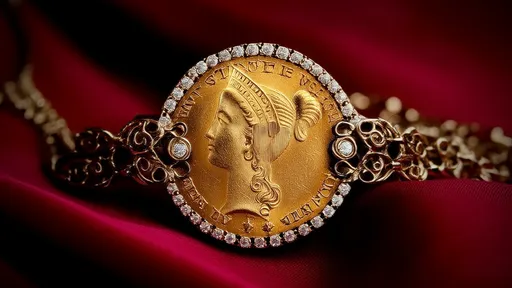
In an age of mass-produced accessories, a growing number of discerning individuals are turning to pieces that tell a story far richer than their metallic composition. Coin jewelry, the art of transforming historical currency into wearable art, represents a unique convergence of history, wealth, and personal adornment. This is not merely fashion; it is a statement, a portable piece of the past that speaks of empires, economies, and eras long gone. To wear such a piece is to carry a fragment of history close to the skin, a tangible link to the hands that once held it and the markets where it once traded.
Jewelry

Jewelry for Yoga and Exercise: Flexible Materials and Body-Hugging Designs

By /Aug 27, 2025

In the ever-evolving world of fitness and wellness, the intersection of functionality and fashion has given rise to a fascinating niche: jewelry designed specifically for active lifestyles. As yoga and various forms of exercise continue to capture global interest, the demand for accessories that can withstand movement while maintaining elegance has surged. This has led to a significant shift in how jewelry is designed, moving away from rigid, traditional forms towards innovative, flexible materials and thoughtful, body-conscious designs. The modern active individual no longer needs to choose between adornment and performance; they can now seamlessly integrate both into their practice.
Jewelry

Party Banquet Jewelry: How to Dominate the Room with a Single Statement Piece

By /Aug 27, 2025

In the shimmering world of social gatherings, few elements command attention and exude confidence like a masterfully chosen statement piece of jewelry. It is not merely an accessory but a declaration—a focal point that orchestrates the entire ensemble and, by extension, your presence in the room. At a bustling party or an elegant banquet, where first impressions are crystallized in fleeting moments, the right jewel does not just complement an outfit; it becomes the narrative. It speaks before you do, setting a tone of sophistication, power, or enchanting mystery. To wield such a piece is to understand the subtle art of visual storytelling, where metal and gemstones become the vocabulary of style and intention.
Jewelry

Everyday Commute Jewelry: Subtle, Comfortable, and Stylish Choices for Daily Wear

By /Aug 27, 2025

In the whirlwind of daily life, where comfort often battles with style, the concept of everyday commuter jewelry has emerged as a quiet revolution. It’s not about the bold, statement pieces reserved for galas or the delicate, seldom-worn heirlooms tucked away in velvet boxes. This is jewelry for the trenches of the mundane—the school run, the crowded subway, the long hours at a keyboard, and the frantic dash between meetings. It is the unsung hero of a well-curated wardrobe, designed to be worn, not just admired from afar. The perfect pieces are those that feel like a second skin, offering a constant, subtle affirmation of personal style without ever becoming a burden or a distraction.
Jewelry

Baby's Birth Celebration Jewelry: The Perfect Blend of Safety, Symbolism, and Commemoration

By /Aug 27, 2025

Welcoming a new life into the world is one of the most profound moments a family can experience, and commemorating this milestone with a piece of jewelry has become a cherished tradition across cultures. Birth jewelry, specifically designed for babies, serves not only as a beautiful keepsake but as a meaningful emblem of love, protection, and hope for the future. Unlike conventional jewelry, these pieces are crafted with meticulous attention to safety, symbolism, and lasting sentimental value, making them a perfect fusion of practicality and profound emotional significance.
Jewelry

Exploration of New Materials for Men's Wedding Rings: From Tungsten Steel, Ceramic to Carbon Fiber

By /Aug 27, 2025

In the ever-evolving world of men's wedding bands, traditional materials like gold and platinum are increasingly sharing the spotlight with innovative alternatives that cater to modern lifestyles and aesthetics. The exploration of new materials such as tungsten carbide, ceramic, and carbon fiber has not only expanded design possibilities but also redefined what a wedding ring can represent—durability, individuality, and contemporary style. These materials, once relegated to industrial or niche applications, are now at the forefront of jewelry design, offering men rings that are as resilient and unique as their personalities.
Jewelry

The Ultimate Guide to Bridal Headpieces: From Tiaras to Hairbands

By /Aug 27, 2025

When it comes to completing a bridal look, the headpiece holds a transformative power that goes beyond mere accessory status. It is the crowning glory that can elevate a simple gown into a statement of personal style, tradition, and elegance. From the regal allure of tiaras to the understated charm of hair combs, the choices are as varied as the brides who wear them. Understanding the nuances of each option is key to selecting a piece that not only complements the wedding dress but also resonates with the wearer’s individuality and the overall theme of the celebration.
Jewelry

Jewelry Inlay in High-End Watches: A Miniature Craft Revolution in Square Inches

By /Aug 27, 2025

In the rarefied world of haute horlogerie, where mechanical mastery has long reigned supreme, a quiet yet profound revolution is unfolding on the very surface of the timepiece. The art of gem-setting, once considered a secondary decorative craft, has been catapulted to the forefront of innovation, transforming the dials, bezels, and cases of high-end watches into canvases for micro-engineering marvels. This is not merely about adding brilliance; it is a fundamental reimagining of scale, technique, and artistic expression, all confined to a space no larger than a few square centimeters.
Jewelry

Key Points for Dating Antique Jewelry: Instantly Recognizing Edwardian, Neoclassical, and Other Period Styles

By /Aug 27, 2025

In the shimmering world of antique jewelry, each piece whispers secrets of its era through design, craftsmanship, and materials. To the untrained eye, these nuances might blur into a single category of "old jewelry," but connoisseurs know that understanding period styles—such as the delicate elegance of the Edwardian era or the refined symmetry of Neoclassicism—unlocks a deeper appreciation. This guide delves into the defining characteristics of major antique jewelry periods, offering insights to help you swiftly identify and appreciate these timeless treasures.