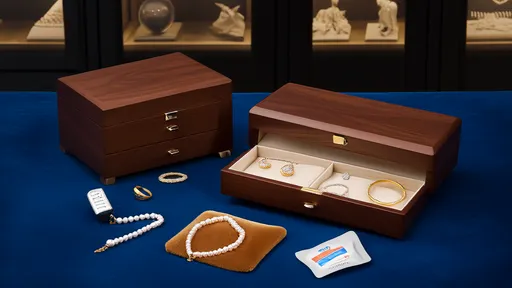
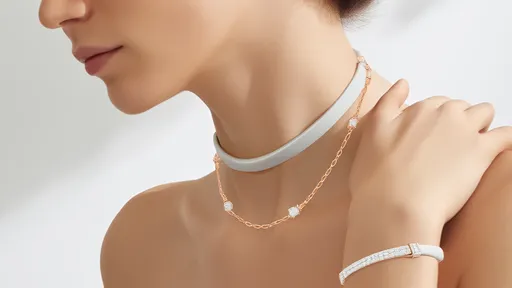
For individuals with sensitive skin or metal allergies, finding jewelry that doesn't cause irritation can be a challenging endeavor. The quest for hypoallergenic metals is not merely about aesthetics but about comfort and health. When certain metals come into contact with skin, they can trigger allergic reactions ranging from mild redness and itching to severe dermatitis. This has led to a growing demand for jewelry made from materials that minimize these risks, offering both beauty and safety.
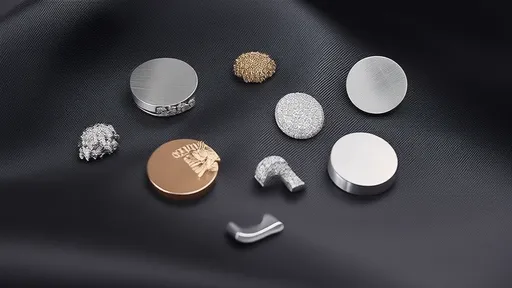
Understanding what makes a metal hypoallergenic is key to making informed choices. Essentially, hypoallergenic metals are those that are less likely to cause allergic reactions. They are typically pure, non-reactive, and do not contain common allergens like nickel, which is a frequent culprit behind metal allergies. Nickel is often used in alloys to add strength and luster but can be problematic for many wearers. Thus, metals that are nickel-free and have low reactivity are generally considered safe for sensitive skin.
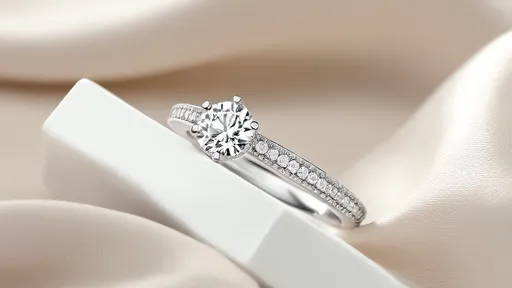
One of the most renowned hypoallergenic metals is platinum. This prestigious metal is not only durable and lustrous but also naturally hypoallergenic. Platinum is typically 95% pure when used in jewelry, with minimal alloys that are usually other hypoallergenic metals like iridium or ruthenium. Its density and resistance to wear make it an excellent choice for everyday pieces, especially for those with severe allergies. However, its high cost can be a barrier for some consumers.
Palladium, a member of the platinum group metals, shares many of platinum's desirable qualities. It is lightweight, durable, and naturally hypoallergenic. Palladium is often used as a more affordable alternative to platinum, and its silvery-white appearance is similar to that of platinum or white gold. Like platinum, it is typically used in a high purity form, often 95% or more, reducing the risk of allergic reactions. Its growing popularity in wedding bands and other fine jewelry underscores its reliability for sensitive skin.
Titanium is another excellent option for those seeking hypoallergenic jewelry. Known for its strength and lightweight properties, titanium is highly resistant to corrosion and does not contain nickel or other common allergens. It is often used in its pure form or alloyed with other safe metals. Titanium's versatility allows it to be anodized to various colors, offering aesthetic flexibility without compromising on safety. Its use in medical implants attests to its biocompatibility, making it a top choice for allergy-prone individuals.
Niobium is a less commonly discussed but highly hypoallergenic metal. Similar to titanium, niobium is inert and does not react with human tissue. It is frequently used in jewelry for people with extreme sensitivities and can be anodized to produce a range of vibrant colors. While not as widely available as other metals, niobium's safety profile makes it a valuable option for those who cannot tolerate even trace amounts of allergens.
Stainless steel, particularly surgical-grade varieties, is often considered hypoallergenic. High-quality stainless steel used in jewelry is typically nickel-free or contains very low, bound nickel that does not leach out easily. However, it is crucial to ensure that the stainless steel is of medical or implant grade to avoid potential reactions. Its affordability and durability make it a popular choice for everyday wear, from watches to bracelets.
Fine silver, which is 99.9% pure silver, is generally safe for most people. However, pure silver is too soft for many types of jewelry, so it is often alloyed with other metals. When this happens, there is a risk of introducing allergens like nickel. Therefore, for those with allergies, it is essential to look for silver that is labeled as nickel-free or alloyed with hypoallergenic metals. Sterling silver, which is 92.5% silver, usually contains copper, which can sometimes cause reactions, so checking the alloy composition is advisable.
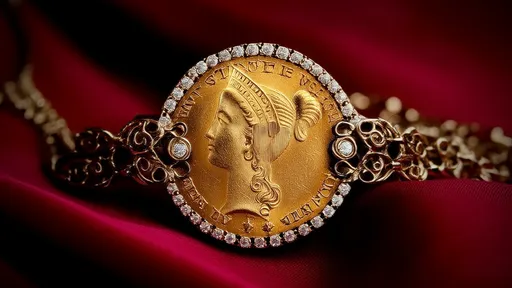
Gold itself is hypoallergenic in its pure form, but pure gold (24 karat) is too soft for most jewelry. Lower karat golds are alloyed with other metals to increase durability, which can include nickel or copper. For allergy sufferers, high-karat gold (18k or above) is a better choice as it contains a higher percentage of gold and fewer alloys. Additionally, white gold is often plated with rhodium, which is hypoallergenic, but this plating can wear off over time, exposing the underlying alloy. Opting for nickel-free white gold or re-plating regularly can mitigate this issue.
Tungsten carbide is a durable and scratch-resistant metal that is becoming increasingly popular in men's jewelry, particularly rings. High-quality tungsten carbide is typically nickel-free and hypoallergenic, but it is important to verify this with the retailer, as some lower-quality versions may contain cobalt or nickel binders. Its weight and lustrous finish make it an attractive option for those with metal sensitivities.
Cobalt chrome is another metal gaining traction in the jewelry market. It is hypoallergenic, durable, and has a similar appearance to white gold or platinum. Cobalt chrome is often used in modern jewelry designs and is known for its resistance to tarnish and scratching. Like other metals, ensuring it is free from nickel is key for those with allergies.
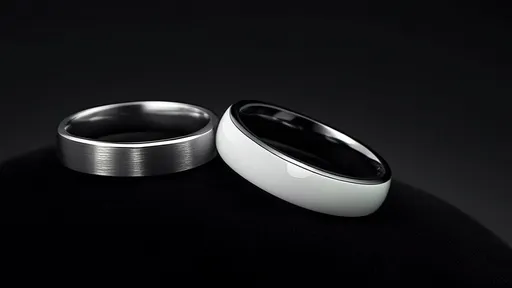
For individuals with extremely sensitive skin, even some hypoallergenic metals might cause issues due to other factors like sweat, pH levels, or external chemicals. In such cases, plastic polymers or ceramic jewelry can be alternatives. These materials are entirely free from metals and can be crafted into stylish pieces. However, they may not offer the same heft or luxury feel as metal jewelry.
When selecting hypoallergenic jewelry, it is also important to consider the craftsmanship. Even if the metal itself is safe, poor construction with rough edges or porous surfaces can trap irritants against the skin. Therefore, choosing well-made pieces from reputable sources is crucial. Additionally, coatings or platings can wear off, so opting for solid hypoallergenic metals rather than plated ones is often a safer long-term strategy.
In conclusion, the range of hypoallergenic metals available today provides ample options for those with sensitive skin or metal allergies. From premium choices like platinum and palladium to affordable alternatives like titanium and stainless steel, there is something to suit every taste and budget. The key is to prioritize purity and verify the absence of common allergens like nickel. By doing so, wearers can enjoy beautiful, comfortable jewelry without the fear of adverse reactions. As awareness grows, more jewelers are offering collections specifically designed for allergy sufferers, making it easier than ever to find pieces that are both safe and stylish.

By /Aug 27, 2025

By /Aug 27, 2025

By /Aug 27, 2025

By /Aug 27, 2025

By /Aug 27, 2025
By /Aug 27, 2025
By /Aug 27, 2025

By /Aug 27, 2025
By /Aug 27, 2025

By /Aug 27, 2025
By /Aug 27, 2025
By /Aug 27, 2025
By /Aug 27, 2025
By /Aug 27, 2025

By /Aug 27, 2025
By /Aug 27, 2025
By /Aug 27, 2025

By /Aug 27, 2025
By /Aug 27, 2025
By /Aug 27, 2025