When it comes to preserving the beauty and value of fine jewelry, proper long-term storage is not merely an option—it is an absolute necessity. Many collectors and enthusiasts invest significant resources in acquiring beautiful pieces, yet often overlook the critical importance of how and where these treasures are stored when not adorning the wearer. The consequences of improper storage can be devastating, leading to tarnished metals, scratched gemstones, loosened settings, and a heartbreaking diminishment of both aesthetic appeal and monetary worth. This guide delves deep into the art and science of jewelry preservation, offering a comprehensive roadmap to ensure your precious pieces remain as brilliant and valuable for future generations as they are today.
The single most important factor in the long-term preservation of jewelry is environmental control. Jewelry is surprisingly susceptible to its surroundings, and the enemies of preservation are often invisible to the naked eye. The primary antagonists are humidity, temperature fluctuations, and exposure to light and air. A consistently cool, dark, and dry environment is the holy grail for jewelry storage. High humidity is particularly nefarious, as it accelerates the tarnishing process for metals like silver and can even damage porous gemstones such as pearls or opals. Similarly, extreme heat can cause certain gems to become brittle or even alter their color, while prolonged exposure to direct sunlight can fade the vibrant hues of amethysts, topazes, and other sensitive stones.
Therefore, the first step in creating an ideal storage environment is selecting the right location within your home. This should be an interior space, away from external walls that are subject to outdoor temperature changes. Avoid places like attics, which can become oppressively hot, or basements, which are often damp. A closet in a frequently used, climate-controlled bedroom or dressing room is often a perfect choice. The space should be away from windows to minimize light exposure and from vents or radiators that cause localized temperature swings. Investing in a dehumidifier for the room, or even small silica gel packs placed inside the storage containers themselves, can work wonders in maintaining a dry atmosphere and protecting your collection from moisture-related damage.
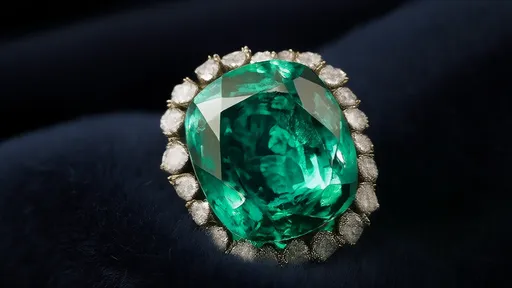
Once the macro-environment is established, the focus must shift to the micro-environment: the actual boxes, cases, and pouches that hold each piece. This is where correct收纳法, or收纳方法 (storage methods), becomes paramount. The cardinal rule is to prevent pieces from touching each other. Even the slightest contact can lead to scratches, chips, and abrasions. Harder gems like diamonds and sapphires can easily scratch softer metals like gold and platinum, as well as more delicate stones like emeralds or Tanzanite. The goal is to provide each item with its own individual, cushioned haven.
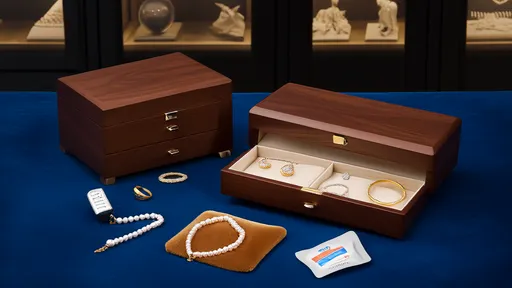
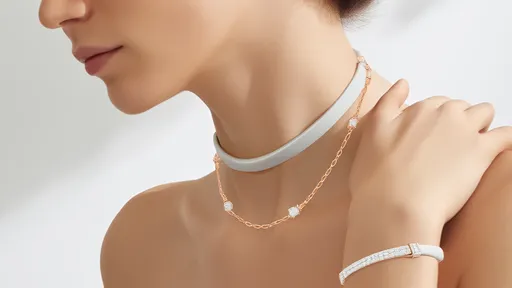
For this purpose, a quality jewelry box with a soft, fabric-lined interior and numerous separate compartments is a excellent starting point. Look for boxes lined with anti-tarnish fabric, such as Pacific Cloth, which actively absorbs the corrosive gases that cause silver and other metals to dull. For individual pieces, especially those with high value or sentimental worth, consider acid-free tissue paper or soft flannel pouches before placing them in a compartment. This adds an extra layer of protection against dust and micro-abrasions. Necklaces should always be laid flat or hung individually on padded hooks to prevent the chains from becoming irreparably tangled, which can strain and weaken the links over time.
For an even higher level of protection, especially for a extensive collection, professional-grade storage solutions are worth considering. These include stackable, compartmentalized cases with plush, customizable inserts that can be shaped to fit specific pieces. Many of these cases are also air-tight, providing a formidable barrier against humidity and airborne pollutants. For extraordinary pieces—a family heirloom, a significant investment diamond, or a rare gem—a dedicated safe deposit box at a bank is the ultimate secure and climate-stable environment. If storing at home in a safe, ensure it is a model designed for valuables, which often includes built-in humidity control to prevent a musty, damaging interior atmosphere from developing.
Beyond the physical placement, a rigorous maintenance routine is the final, crucial component of long-term storage. Jewelry should never be stored while dirty. The oils from skin, residue from lotions and perfumes, and general dust and grime can become etched onto the surface of metals and stones if left unattended for months or years. Before storing any piece for an extended period, it must be gently but thoroughly cleaned. A soft, lint-free cloth is usually sufficient for a quick polish. For a deeper clean, use a mild soap (like dish soap) and lukewarm water solution with a very soft-bristled brush, taking care to rinse and dry the piece completely afterwards. It is vital to research the specific cleaning requirements for different materials; ultrasonic cleaners and harsh chemicals can be disastrous for organic gems like pearls, coral, and amber, or for treated stones like emeralds, which are often filled with oils or resins.
Finally, your storage strategy is not a "set it and forget it" endeavor. Regular inspection is non-negotiable. Every few months, take the time to carefully examine your stored pieces. Check for any signs of loosening prongs in gem-set jewelry, weakening clasps on bracelets and necklaces, or the early stages of tarnish on silver. This proactive approach allows you to address minor issues before they escalate into major repairs or, worse, irreversible loss. This is also a good opportunity to air out the storage containers and replace any silica gel packs that have exhausted their moisture-absorbing capacity.
In conclusion, the long-term preservation of jewelry is a deliberate practice that blends environmental science with meticulous care. It requires an understanding of the vulnerabilities inherent in precious metals and gemstones and a commitment to creating a stable, protective sanctuary for them. By controlling the storage environment, utilizing the correct individual收纳方法, adhering to a strict cleaning regimen, and conducting periodic inspections, you are not just storing objects. You are acting as a steward, safeguarding beauty, history, and value for the years and generations to come. The effort invested in proper storage today guarantees that the brilliance and integrity of your collection will endure, allowing its stories to be worn and appreciated long into the future.

By /Aug 27, 2025

By /Aug 27, 2025

By /Aug 27, 2025

By /Aug 27, 2025
By /Aug 27, 2025
By /Aug 27, 2025
By /Aug 27, 2025
By /Aug 27, 2025
By /Aug 27, 2025

By /Aug 27, 2025
By /Aug 27, 2025
By /Aug 27, 2025
By /Aug 27, 2025
By /Aug 27, 2025

By /Aug 27, 2025
By /Aug 27, 2025
By /Aug 27, 2025

By /Aug 27, 2025
By /Aug 27, 2025
By /Aug 27, 2025