In the shimmering world of antique jewelry, each piece whispers secrets of its era through design, craftsmanship, and materials. To the untrained eye, these nuances might blur into a single category of "old jewelry," but connoisseurs know that understanding period styles—such as the delicate elegance of the Edwardian era or the refined symmetry of Neoclassicism—unlocks a deeper appreciation. This guide delves into the defining characteristics of major antique jewelry periods, offering insights to help you swiftly identify and appreciate these timeless treasures.
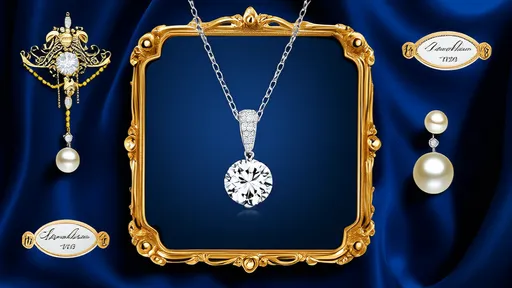
The Edwardian period, spanning from roughly 1901 to 1915, coincides with the reign of King Edward VII in Britain and reflects a society enamored with lightness, luxury, and technical innovation. Jewelry from this era is often described as ethereal and romantic, characterized by intricate platinum settings that allowed for delicate, lace-like designs. Diamonds and pearls were favored, frequently arranged in garlands, bows, and swags that evoked a sense of effortless elegance. The use of platinum—strong yet capable of being drawn into fine wires—enabled jewelers to create pieces that were both durable and astonishingly lightweight. Look for millegrain edges, a technique where tiny beads are applied to metal borders, adding texture and softness. Edwardian pieces often feature openwork patterns and a emphasis on white-on-white color schemes, with occasional touches of pale sapphires or emeralds. This was an era of opulence, and the jewelry mirrors the lavish balls and refined fashion of the time, making it instantly recognizable for its grace and sophistication.
In stark contrast, Neoclassical jewelry, which flourished from the late 18th century into the early 19th century, draws inspiration from the art and architecture of ancient Greece and Rome. This style emerged alongside archaeological discoveries at Pompeii and Herculaneum, sparking a revival of classical motifs. Neoclassical pieces are marked by their symmetry, clean lines, and symbolic imagery. Common elements include cameos—carved in shell or lava to depict profiles of gods and goddesses—as well as intaglios, which are incised carvings often set in rings. Materials like pale gold, pearls, and enamel were popular, with designs frequently incorporating urns, lyres, laurel wreaths, and Greek key patterns. The color palette tends to be subdued, emphasizing white, blue, and black enamel against gold. Neoclassical jewelry reflects the Enlightenment ideals of reason and order, making it appear more structured and less ornate than later periods. Its aesthetic is one of dignified simplicity, often evoking a sense of timeless grandeur.
Moving forward, the Victorian era (1837-1901) presents a diverse range of styles as it evolved through Queen Victoria's long reign. Early Victorian or Romantic period jewelry is sentimental and nature-inspired, featuring motifs like snakes, flowers, and hands holding hearts, often crafted in yellow gold with gemstones such as turquoise, coral, and garnets. The Mid-Victorian or Grand period turned darker and more solemn, influenced by Prince Albert's death; jet, onyx, and mourning jewelry with hairwork became prevalent. Late Victorian or Aesthetic period pieces lightened again, incorporating Japanese-inspired designs and brighter stones like peridot and amethyst. Victorian jewelry is often heavy, detailed, and symbolic, reflecting the social and emotional currents of the time.
The Art Nouveau movement (1890-1910) rejected the rigidity of industrialism, embracing organic, flowing forms inspired by nature. Jewelry from this period is unmistakable for its sensual curves, depicted through motifs like dragonflies, orchids, and female figures with long, swirling hair. Enamel work—particularly plique-à-jour, which resembles stained glass—is common, along with opals, moonstones, and pearls that enhance the dreamlike quality. Art Nouveau pieces prioritize artistry over gem value, often featuring less precious materials like horn or glass, yet they are highly collectible for their artistic merit. The style is fluid and expressive, a direct rebellion against the geometric constraints of earlier periods.
Following Art Nouveau, the Art Deco era (1920s-1930s) embraced modernity with bold, geometric designs influenced by Cubism and the machine age. Sharp angles, stepped patterns, and contrasting colors define this style, with platinum and white gold settings paired with vibrant gemstones like emeralds, rubies, and sapphires. Diamonds were cut into baguettes, triangles, and other geometric shapes to fit into symmetrical compositions. Art Deco jewelry exudes glamour and confidence, mirroring the liberated spirit of the Roaring Twenties. Its clean, architectural lines make it stand out sharply against the fluidity of Art Nouveau or the delicacy of Edwardian pieces.
Earlier still, the Georgian period (1714-1837) offers jewelry that is rare and highly sought after. Georgian pieces were handmade, often featuring closed-back settings for gemstones, foil-backed diamonds to enhance sparkle under candlelight, and intricate metalwork like cannetille—a wirework technique resembling embroidery. Motifs included bows, feathers, and nature themes, with colored gems such as topaz, garnet, and ruby set in silver or gold. Due to its age, Georgian jewelry often shows wear, with cuts like rose or old mine diamonds being common. Its craftsmanship speaks of a time before industrialization, making each piece uniquely historical.
When examining antique jewelry, beyond style, consider hallmarks and craftsmanship clues. Pre-20th century pieces may lack standardized marks, but later items often carry stamps indicating metal purity or origin. Hand-forged elements, such as saw marks or slight asymmetries, suggest older manufacture, while machine precision points to modern reproduction. Settings—like the closed backs of Georgian gems or the platinum openwork of Edwardian designs—also provide temporal cues. Patina and wear patterns can authenticate age, though they should be assessed carefully to distinguish natural aging from damage.
Understanding these period styles not only aids in identification but enriches the experience of collecting or wearing antique jewelry. Each era tells a story: the romance of the Edwardian age, the classical ideals of Neoclassicism, the sentimentality of Victorian times, the artistry of Art Nouveau, and the boldness of Art Deco. By training your eye to recognize these characteristics, you transform from a casual admirer into a knowledgeable enthusiast, capable of glimpsing the history embedded in every piece. Whether you're at an auction, a boutique, or inheriting a family heirloom, this knowledge allows you to appreciate the craftsmanship and cultural context that make antique jewelry endlessly fascinating.

By /Aug 27, 2025

By /Aug 27, 2025

By /Aug 27, 2025

By /Aug 27, 2025

By /Aug 27, 2025
By /Aug 27, 2025
By /Aug 27, 2025
By /Aug 27, 2025
By /Aug 27, 2025
By /Aug 27, 2025
By /Aug 27, 2025
By /Aug 27, 2025
By /Aug 27, 2025
By /Aug 27, 2025

By /Aug 27, 2025
By /Aug 27, 2025
By /Aug 27, 2025

By /Aug 27, 2025
By /Aug 27, 2025
By /Aug 27, 2025