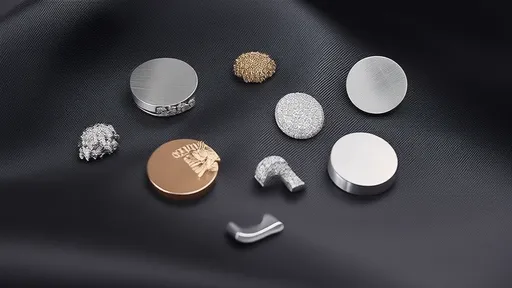
In the ever-evolving world of men's wedding bands, traditional materials like gold and platinum are increasingly sharing the spotlight with innovative alternatives that cater to modern lifestyles and aesthetics. The exploration of new materials such as tungsten carbide, ceramic, and carbon fiber has not only expanded design possibilities but also redefined what a wedding ring can represent—durability, individuality, and contemporary style. These materials, once relegated to industrial or niche applications, are now at the forefront of jewelry design, offering men rings that are as resilient and unique as their personalities.
Tungsten carbide has emerged as a popular choice for men seeking a ring that combines robustness with a sleek, modern look. This material, often referred to simply as tungsten, is an alloy of tungsten and carbon, resulting in a substance that is remarkably hard and scratch-resistant. In fact, it ranks just below diamond on the Mohs scale of hardness, making it nearly impervious to everyday wear and tear. The heft of a tungsten ring provides a substantial feel on the finger, which many men appreciate, and its lustrous, gunmetal gray finish offers a masculine and sophisticated appearance. However, it's worth noting that while tungsten is extremely durable, it can be brittle under extreme force and may crack or shatter if subjected to a hard impact. Despite this, its affordability and low maintenance—it doesn't require polishing or plating—make it a compelling option for active individuals.
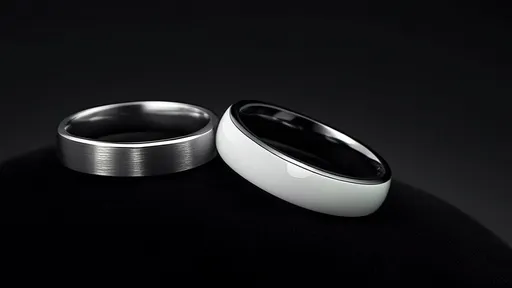
Ceramic rings, particularly those made from black ceramic, have gained traction for their lightweight comfort and striking visual appeal. Unlike traditional ceramics, which might conjure images of fragile pottery, modern jewelry-grade ceramic is engineered through high-temperature processes that result in a material that is both hard and lightweight. These rings are typically hypoallergenic, making them an excellent choice for those with metal sensitivities, and they resist scratching and fading, maintaining their deep, consistent color over time. The most common hue is a rich, uniform black that exudes a modern, minimalist vibe, though other colors like white and blue are also available. One potential drawback is that ceramic can be more prone to chipping than metals like tungsten, but advances in manufacturing have improved its toughness. For men who prioritize comfort and a bold, contemporary look, ceramic rings offer a unique blend of style and practicality.
Carbon fiber represents the cutting edge of material innovation in men's wedding bands, appealing to those who value technology, strength, and a distinctly modern aesthetic. Originally developed for aerospace and high-performance automotive applications, carbon fiber is renowned for its exceptional strength-to-weight ratio—it is incredibly strong yet remarkably lightweight. In jewelry, carbon fiber is often woven into patterns or combined with other materials like metals or resins to create rings that are both durable and visually dynamic. The characteristic woven texture, often in black or gray shades, gives each ring a unique, almost futuristic appearance, as no two patterns are exactly alike. Additionally, carbon fiber is resistant to corrosion, temperature changes, and wear, making it ideal for men with active or hands-on lifestyles. While it can be more expensive than tungsten or ceramic due to the complex manufacturing process, its association with high-tech performance and customization options makes it a standout choice for the modern groom.
Beyond these individual materials, many contemporary rings feature combinations that leverage the best qualities of each. For instance, a tungsten core might be inlaid with carbon fiber for added visual interest and reduced weight, or a ceramic ring could be accented with metallic elements for contrast. These hybrid designs not only enhance aesthetics but also improve functionality, such as by making a brittle material more impact-resistant when paired with a flexible component. This trend toward material fusion reflects a broader shift in men's jewelry toward personalization and innovation, allowing wearers to express their individuality through unique material pairings that suit their daily needs and style preferences.
The shift toward these alternative materials is also driven by practical considerations beyond mere aesthetics. For many men, a wedding ring is not just a symbol of commitment but a piece of jewelry worn daily through various activities—from office work to outdoor adventures. Traditional metals like gold can scratch, dent, or deform over time, requiring maintenance and occasional resizing. In contrast, materials like tungsten, ceramic, and carbon fiber offer superior durability and often come with lifelong finishes that eliminate the need for polishing or refinishing. Moreover, their hypoallergenic properties make them accessible to a wider range of wearers, including those with skin allergies to certain metals. This practicality, combined with their modern appeal, has made them particularly popular among younger generations who seek both meaning and functionality in their wedding bands.
Despite their advantages, it's important for potential buyers to understand the limitations of these materials. Tungsten's hardness means it cannot be resized, so accurate sizing is crucial at the time of purchase. Ceramic, while hard, can be brittle and may crack under sharp impacts. Carbon fiber, though strong, can be expensive and may require special care to avoid exposing its resin components to harsh chemicals. Additionally, because these materials are relatively new to the jewelry market, not all jewelers are equipped to work with them for repairs or modifications. Therefore, purchasing from reputable sellers who offer warranties and clear care instructions is essential to ensure longevity and satisfaction.
Looking ahead, the exploration of new materials for men's wedding rings shows no signs of slowing down. Innovations such as recycled metals, wood composites, and even new alloys are continually entering the market, offering ever more options for personalization and sustainability. As technology advances, we may see materials that are not only durable and stylish but also embedded with smart features, such as fitness tracking or connectivity. This ongoing evolution reflects a broader cultural shift where men's jewelry is becoming increasingly expressive and tailored to individual lifestyles, moving away from one-size-fits-all traditions toward rings that truly resonate with the wearer's identity and values.
In conclusion, the journey from traditional metals to modern materials like tungsten, ceramic, and carbon fiber has transformed the men's wedding band into a symbol of both enduring love and contemporary innovation. These materials offer a compelling mix of durability, comfort, and style, catering to the diverse needs of today's grooms. Whether one chooses the rugged elegance of tungsten, the lightweight boldness of ceramic, or the high-tech allure of carbon fiber, the key is to select a ring that aligns with personal taste and daily life. As the boundaries of material science continue to expand, the future of men's wedding rings promises even greater possibilities for creativity and individuality.
By /Aug 27, 2025

By /Aug 27, 2025
By /Aug 27, 2025
By /Aug 27, 2025
By /Aug 27, 2025
By /Aug 27, 2025
By /Aug 27, 2025
By /Aug 27, 2025
By /Aug 27, 2025
By /Aug 27, 2025
By /Aug 27, 2025
By /Aug 27, 2025
By /Aug 27, 2025
By /Aug 27, 2025

By /Aug 27, 2025
By /Aug 27, 2025
By /Aug 27, 2025

By /Aug 27, 2025
By /Aug 27, 2025
By /Aug 27, 2025